


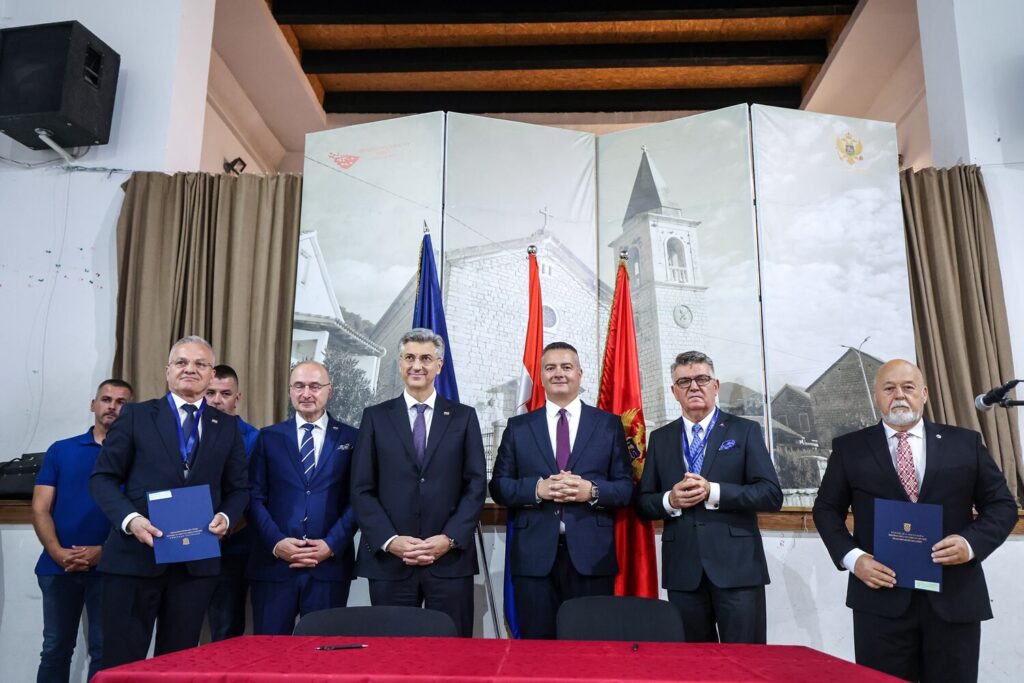
Plenković u Donjoj Lastvi: Potpora hrvatskoj zajednici ostaje trajna obveza Hrvatske
Radio Dux i Hrvatski glasnik dobili su status projekata od strateškog značaja, najavljena obnova Hrvatskog doma Josipa Markovića u Donjoj…

Jubilarni zadarski Sunset Sports Festival potiče zanimljive veze iseljeništva i domovine
Peter Radovich, kreativni direktor CBS Sportsa i suosnivač Sunset Sports Festivala s Damjanom Rudežom, od 4. do 6. lipnja boravi…
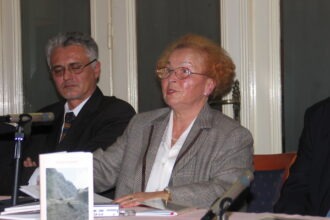
Hrvatska iseljenička književnica Malkica Dugeč proslavila 90. rođendan
Malkica Dugeč, jedna je od najpoznatijih i najplodnijih hrvatskih pjesnikinja u izvandomovinstvu…
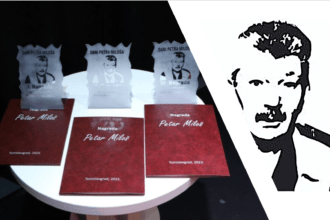
Raspisan Natječaj za književnu Nagradu Petar Miloš
Natječaj raspisuje Društvo hrvatskih književnika Herceg Bosne u suradnji s Kulturno-informativnim centrom Tomislavgrad
Jubilarni zadarski Sunset Sports Festival potiče zanimljive veze iseljeništva i domovine
Peter Radovich, kreativni direktor CBS Sportsa i suosnivač Sunset Sports Festivala s Damjanom Rudežom, od 4. do 6. lipnja boravi…
Hrvatska iseljenička književnica Malkica Dugeč proslavila 90. rođendan
Malkica Dugeč, jedna je od najpoznatijih i najplodnijih hrvatskih pjesnikinja u izvandomovinstvu…
Raspisan Natječaj za književnu Nagradu Petar Miloš
Natječaj raspisuje Društvo hrvatskih književnika Herceg Bosne u suradnji s Kulturno-informativnim centrom Tomislavgrad
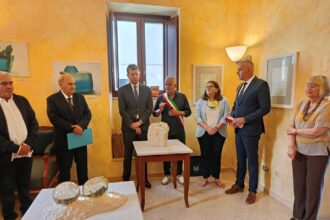
Glas iz stare domovine odjeknuo u srcu moliškohrvatske zajednice
Izložba akademskog kipara Kuzme Kovačića u Mundimitru okupila predstavnike Hrvatske i moliških Hrvata


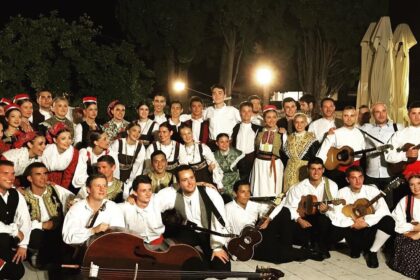
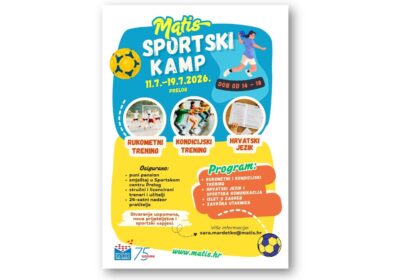

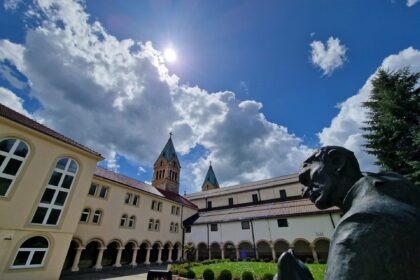







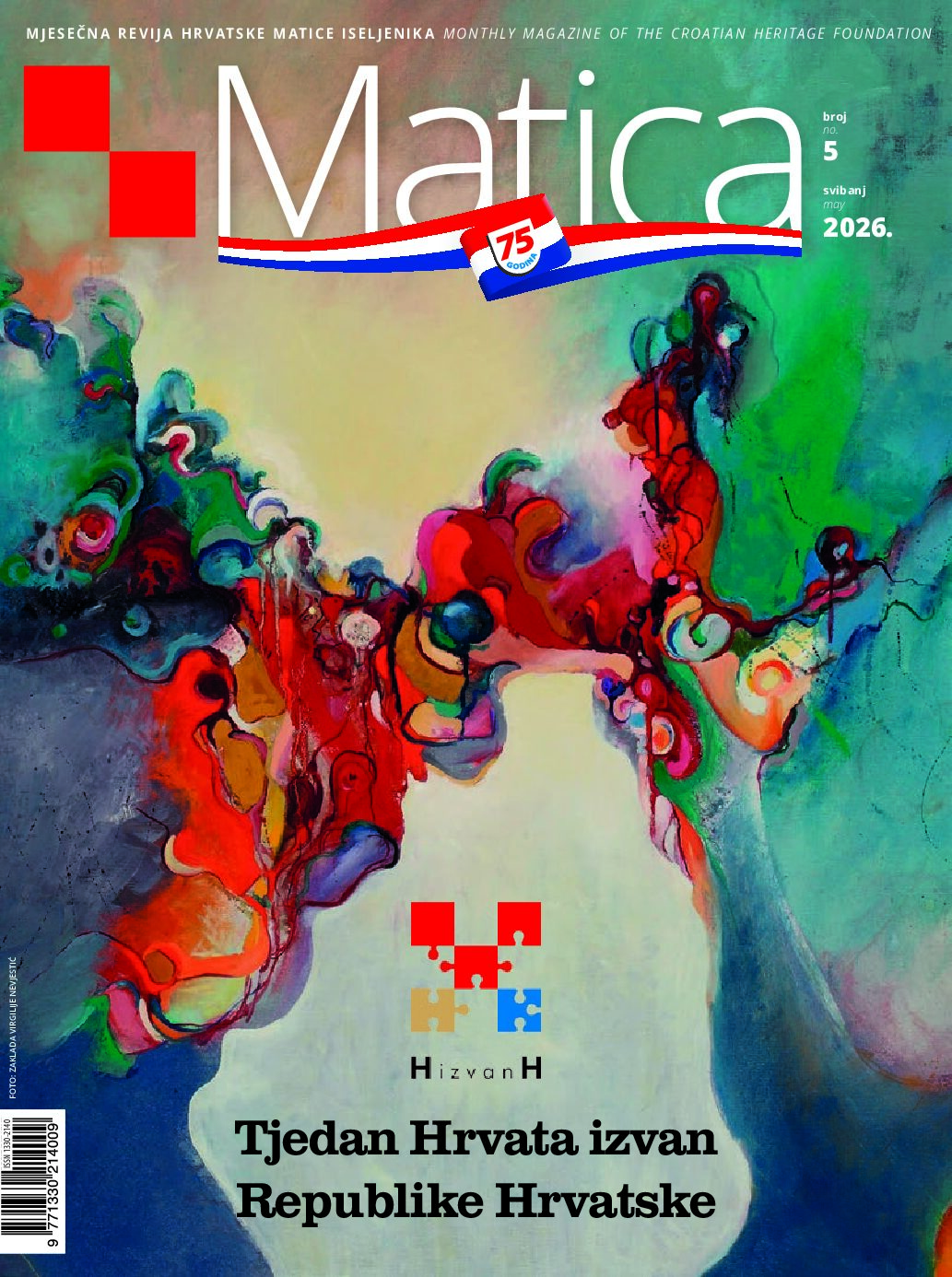

Tamburica Vlahija proslavila 30. obljetnicu
Na jubilej su tamburaši iz Vlahije u Bandol pozvali goste iz okolice, i to Skupčinu iz Vincjeta, Toč iz Čembe, Stalnost iz Čajte, ali i…


Poziv za prijavu sudjelovanja na 1. međunarodnoj konferenciji o zelenim knjižnicama „Let’s Go Green!“
Nacionalna i sveučilišna knjižnica u Zagrebu organizira 1. međunarodnu konferenciju o zelenim knjižnicama Let’s Go Green!, koja će se, kao prva…
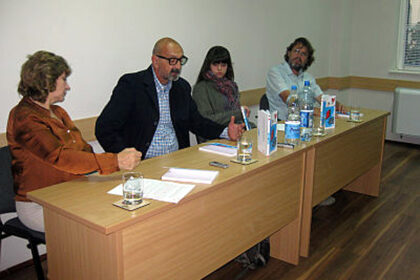
Časopis za novo vrijeme i nove autore
Časopis su u Pastoralnom centu Augustinianum predstavili član Savjeta „Nove riječi“ te urednik časopisa za kulturu „Nova misao“ Mirko Sebić,…
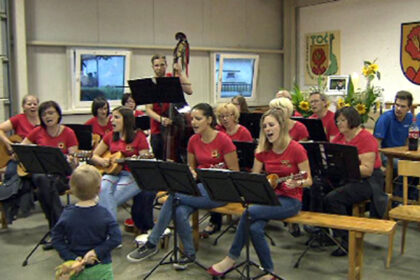
Tamburica uz oganj u Čembi
Goste je zabavljao Tamburaški orkestar Čemba (TOČ) zajedno s tamburicom i zborom iz Narde u seoskoj dvorani Čembe
Uskoro počinje Hrvatski iseljenički kongres
Među sudionicima Hrvatskog iseljeničkog kongresa brojni su afirmirani sveučilišni profesori i cijenjeni istraživači s instituta i fakulteta od Sydneyja do…


NAJAVA: 18. proslava Dana iseljenika na Unijama
Od 17. do 19. srpnja na otoku Unije održava se 18. proslava Dana iseljenika uz podršku Hrvatske matice iseljenika – Podružnice Rijeka




Igračka u srcu
IGRAČKA U SRCU inspirirana hrvatskom tradicijskom kulturom multimedijalni je program međunarodne kulturne suradnje Hrvatske matice iseljenika i partnera Hrvatske škole Boston (SAD) i Zaklade hrvatskih studija Sydney (Australija) s hrvatskim školama,…

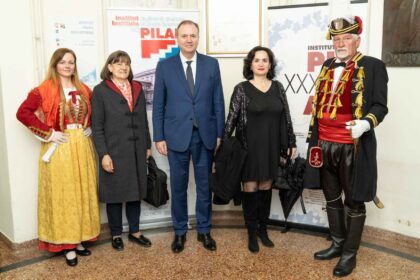
Otvoren znanstveni skup Identitet Hrvata Boke kotorske
Cilj ovog skupa je uvrstiti znanstvene činjenice iz hrvatske baštine Boke u predmetne kurikulume obje…

Hrvatski veleposlanik u SAD-u posjetio sjedište HBZ-a u Pittsburghu
Veleposlanika Pjera Šimunovića i njegova tajnika Josipa Babića dočekali su predsjednik Zajednice Edward W. Pazo,…


HKD Pomurje Lendava na susretu tamburaških i mandolinskih skupina Slovenije
Najprije su, izvan službenog dijela natjecanja, nastupili domaćini iz Lendave, članovi tamburaške skupine Hrvatskog kulturnog…
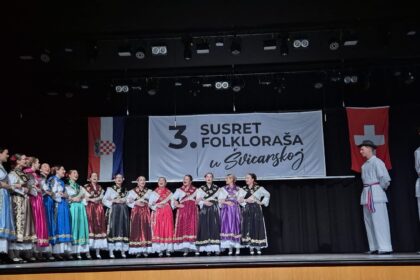
3. susret hrvatskih folklornih skupina u Švicarskoj
Osim ovogodišnjeg organizatora HKUD-a „Kolovrat“ iz Lucerna, na festivalu su sudjelovali HKUD „Fala“ iz Schaffhausena,…
