


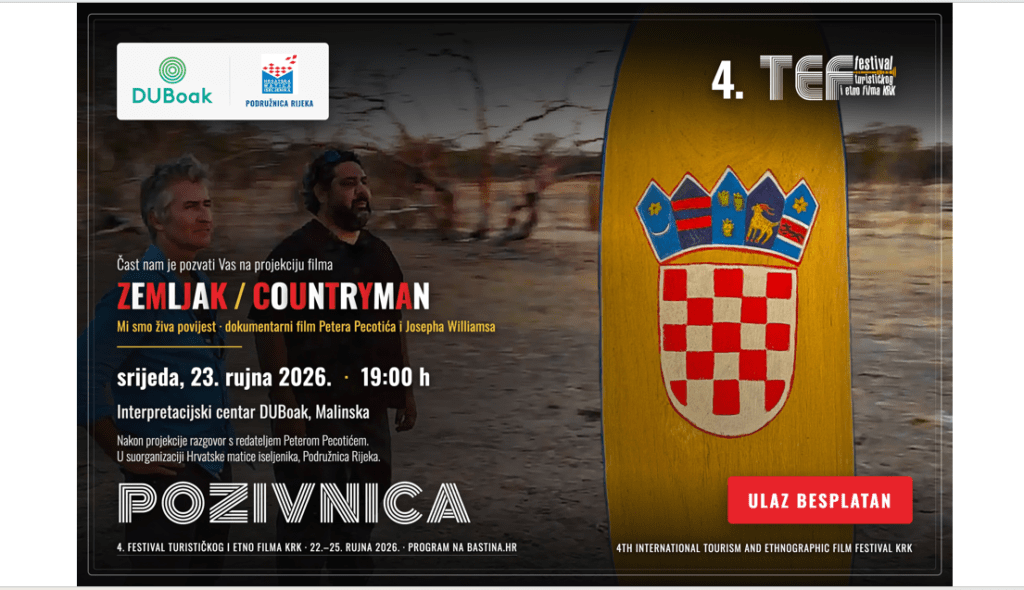
Australsko-hrvatski „Countryman“ stiže na TEF festival na Krku
Dokumentarac Petera Pecotića i Josepha Williamsa Jungarrayija gostuje na 4. TEF festivalu uz projekcije u Malinskoj i Krku.
NAJAVA: Kulturna večer u Berlinu posvećena djeci i 80. obljetnici UNICEF-a
Veleposlanstvo Republike Hrvatske u Berlinu ugostit će 12. listopada kulturnu večer „Djeca su ukras svijeta“, posvećenu 80. obljetnici UNICEF-a i…
Odlazak istaknute književnice Malkice Dugeč
Život i stvaralaštvo Malkice Dugeč obilježili su hrvatska riječ, iskustvo egzila i trajna privrženost domovini kojoj se u svojim djelima…
Identitetska baština ukorijenjena u prostoru Bačke i Banata
Programima u Subotici i Karaševu nastavljena je suradnja Hrvatske matice iseljenika, Splitsko-dalmatinske županije i hrvatskih zajednica u Srbiji i Rumunjskoj,…
NAJAVA: Kulturna večer u Berlinu posvećena djeci i 80. obljetnici UNICEF-a
Veleposlanstvo Republike Hrvatske u Berlinu ugostit će 12. listopada kulturnu večer „Djeca su ukras svijeta“, posvećenu 80. obljetnici UNICEF-a i…
Odlazak istaknute književnice Malkice Dugeč
Život i stvaralaštvo Malkice Dugeč obilježili su hrvatska riječ, iskustvo egzila i trajna privrženost domovini kojoj se u svojim djelima…
Identitetska baština ukorijenjena u prostoru Bačke i Banata
Programima u Subotici i Karaševu nastavljena je suradnja Hrvatske matice iseljenika, Splitsko-dalmatinske županije i hrvatskih zajednica u Srbiji i Rumunjskoj,…

Otišao je Josip Jozo Lacmanović osnivač njujorške klape Astoria
Jozo je početkom 90.-tih godina osnovao Klapu Astoria u dalekom New Yorku gdje je godinama živio


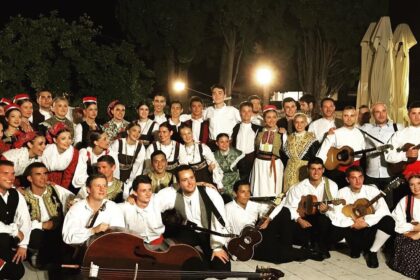








Predstavljena pjesnička zbirka Ljerke Toth Naumove
Nakladnik knjige je Zajednica Hrvata u RM, sunakladnik Hrvatska matica iseljenika iz Zagreba, a objavljena je zahvaljujući financijskoj potpori Grada Skopja


Božićni koncert u Melbourneu
U crkvi Sv. Nikole Tavelića u Clifton Hillu, u australskom Melbourneu, održan je božićni koncert Folklorne grupe 'Mladi Hrvati'

Obilježavanju 300. godišnjice rođenja Marije Terezije pridružuju se i Hrvati
Četiri izložbe o vladarici nazvane su najvećom izložbenom manifestacijom 2017. u Austriji, a Hrvatski povijesni institut u Beču organizira u…

Hommage Ljubi Rubenu Weissu
U organizaciji bečke kulturne udruge „Riječ-boja – ton u Hrvatskom centru u Beču održan je hommage, prije godinu dana preminulom,…


Devet hrvatskih gradova za titulu europske prijestolnice kulture
Prijestolnica europske kulture 2020. će uz predstavnika Irske biti i jedan hrvatski grad. Izboru se nadaju Dubrovnik, Đakovo, Osijek, Pula, Rijeka, Split, Varaždin, Zadar i…


Igračka u srcu
IGRAČKA U SRCU inspirirana hrvatskom tradicijskom kulturom multimedijalni je program međunarodne kulturne suradnje Hrvatske matice iseljenika i partnera Hrvatske škole Boston (SAD) i Zaklade hrvatskih studija Sydney (Australija) s hrvatskim školama,…

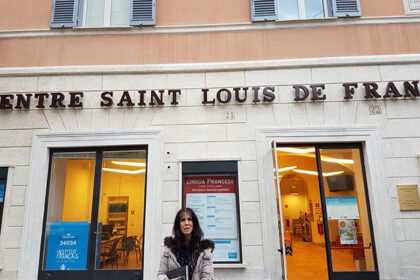
Rimska izložba Ivane Jovanović Trostmann
Slikarica je jedno svoje platno darovala Papinskom Hrvatskom zavodu svetog Jeronima u Rimu, a dar…

Hrvatski dan u Novome Selu
Sudjelovalo sedam tamburaških, odnosno folklornih ansambala. Ovaj put su to bili ansambli iz Devinskoga Novoga…


Odlazak gospara Davora Gjivoja
Gjivoje je surađivao s podružnicom Hrvatske matice iseljenika u Dubrovniku te gotovo uvijek, kad su…

1. Turnir prijateljstva
16. i 17. svibnja, 18,00 sati, u Roma presso Centro Sportivo “Dribbling“(Zona Ardeatino), Via G.…
